Modern Roof Lanterns: Architectural Ideas for Modern Living Spaces
Innovative roof lanterns are continually growing as essential elements in today's architecture. They not only enhance aesthetic appeal but also improve functionality by maximizing natural light. With numerous options present, these additions can seamlessly integrate into diverse architectural themes. Their influence over environmental feel and spatial experience cannot be minimized. As homeowners assess these design options, various significant factors become relevant that can sway both selection and location. What are the most optimal methods to include these striking structures?
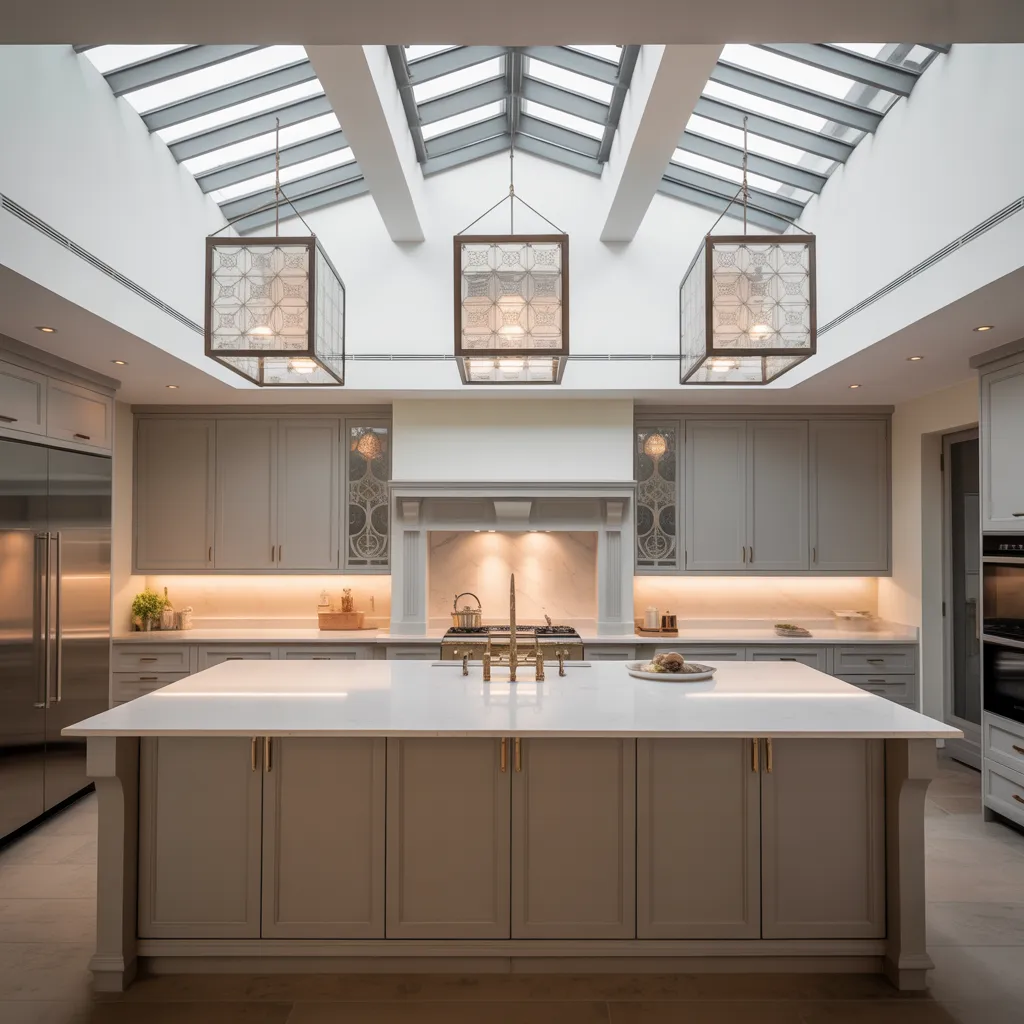
The Benefits of Roof Lanterns for Contemporary Homes
Roof lanterns provide numerous benefits for contemporary homes, enhancing both aesthetics and practicality. These design elements serve as striking centerpieces, adding personality to any room. With their elegant, modern designs, roof lanterns can complement various styles, from minimalist to industrial. Furthermore, they create a feeling of openness, causing spaces to appear more spacious and more welcoming.
Additionally, roof lanterns facilitate superior ventilation, aiding to manage indoor climate and lower dependence on mechanical cooling systems. Their versatility permits for placement in various settings, including kitchens, living rooms, and extensions, maximizing usable space. The use of high-quality materials guarantees strength and weather resistance, making them a sturdy asset. Importantly, roof lanterns can enhance a property's value, appealing to potential buyers with their modern appeal and practical benefits. Overall, these features create a harmonious blend of beauty and utility in modern living environments.
How Roof Lanterns Bring in Sunlight
Roof lanterns function as a bold architectural element that substantially increases sunlight intake in homes. Their strategic placement permits an abundance of natural light to stream interior spaces, creating a bright and inviting atmosphere. Additionally, the visual charm of roof lanterns enhances the overall style, making them a popular choice for modern architecture.
Improved Daylight Exposure
When soft light floods a space, it renews the atmosphere, creating a dynamic and friendly environment. Roof lanterns serve as a strong architectural feature, boosting daylight exposure in modern living spaces. Strategically located, they harvest sunlight from different angles, making the most of illumination throughout the day. This influx of natural light not only lessens the reliance on artificial lighting but also promotes improved mood and well-being. The expansive glass surfaces of roof lanterns permit light to enter deep into the interior, brightening even the darkest corners. Additionally, the ever-changing play of sunlight and shadows throughout the day injects a sense of depth and movement, enriching the overall experience of the space. Ultimately, roof lanterns are an valuable solution for enhancing daylight exposure.
Upgraded Appearance Quality
How do roof lanterns improve the beauty of a space? These architectural components serve as striking focal points, seamlessly blending practicality with elegance. By introducing plentiful natural light, they create a sense of spaciousness and lightness, converting even the most small areas into comfortable havens. The unique geometric designs often found in roof lanterns add a up-to-date edge, enhancing the overall interior decor. Additionally, their ability to reflect light can emphasize colors and textures within the room, creating a pleasing visual experience. As a result, roof lanterns not only brighten but also enhance the atmosphere, making them a important addition to modern living spaces. Their presence is equated to sophistication and style, appealing to discerning homeowners.
Positioning Alternatives for Effect
Positioning of roof lanterns can substantially elevate the character of a space. Positioning a lantern as a highlight above a dining room not only captures focus but also creates an inviting atmosphere. Additionally, thoughtfully positioning one in a living room can optimize natural light, reshaping the environment into a bright and airy retreat.
Central Centerpiece Above Dining Area
A lovely roof lantern can uplift a dining area, being both a useful light source and a striking focal point. When positioned right above the dining table, it attracts eyes and improves the overall appearance of the space. access this information The size and design of the lantern should match the room's proportions; larger units can create an bold effect in open areas, while smaller models provide a intimate ambiance in smaller settings. Additionally, the height at which the lantern hangs is important; it should be low enough to provide warmth without hindering lines of sight. Incorporating complementary decor, such as coordinated pendant lights or wall art, can further blend the design, ensuring the lantern becomes a unified element within the room.
Natural Brightness In Living Room
Illuminating a living room with maximized natural light can significantly change the space, establishing a bright and inviting atmosphere. Carefully placing roof lanterns can strengthen this result by bathing the area with natural illumination. Excellent placement options include above central seating areas, where light can spread evenly, or in proximity to large windows to complement existing daylight. Introducing lanterns in corner spaces can furthermore generate a sense of openness, drawing the eye skyward and causing the room to appear larger. Furthermore, harnessing mirror surfaces, such as mirrors, can enhance the natural light, improving the overall radiance. Opting for designs that harmonize with the room's decor will further boost the aesthetic, guaranteeing the space continues both functional and visually appealing.
How to Find the Ideal Roof Lantern Style for Your Area?
When selecting the ideal roof lantern style for a specific space, multiple factors must be considered to guarantee harmony with the overall design. First, the architectural style of the building is important; a traditional home may benefit from a classic lantern style, while a modern structure might suit a contemporary, streamlined style.

Moving forward, the proportions of the space is critical; expansive rooms can accommodate magnificent lanterns, while smaller rooms may require subtle designs to avoid crowding the space. Additionally, the purpose of the room should determine the choice; as an example, a kitchen might favor a functional design, while a living area could embrace decorative elements.
At the end, pigment and substance should blend with existing surroundings, guaranteeing the lantern improves rather than detracts from the overall ambiance. By carefully evaluating these variables, one can select a roof lantern that uplifts the space productively.
Merging Roof Lanterns With Home Decor Elements
Furthermore, the selection of finish and material selections for the lantern can coordinate with existing interior elements, such as wood beams, metal fixtures, or color palettes. Adding adjustable shades or blinds can further enhance versatility, allowing for light control that suits the room's mood.
Moreover, intentional blending with indoor plants or creative pieces can establish points of interest that guide the eye upward, underlining height and space. Ultimately, properly planned mixes of roof lanterns and design features can reshape a room into a cohesive and glowing sanctuary.
Maintaining Your Roof Lantern: Tips for Long-Term Performance
Combining light wells with indoor styling results in a attractive aesthetic, but to keep their beauty and functionality over time, routine upkeep is required. Routine cleaning is necessary; utilizing a soft cloth and a mild detergent will prevent dirt and grime from collecting on the glass surfaces. Moreover, examining the seals and frames periodically helps identify any signs of wear or deterioration, making sure that leaks do not occur.
It is also advisable to examine the drainage system to prevent water pooling, which could lead to structural damage. If the lantern has any electrical components, regular checks for wiring integrity and functionality are vital for safety. Finally, adding a protective coating can enhance the durability of the frames against weathering. By adhering to these maintenance tips, homeowners can make certain that their roof lanterns remain a gorgeous focal point for years to come.
Commonly Posed Questions
What Elements Are Commonly Used for Roof Lantern Fabrication?
Common substances for roof lantern construction include aluminum, timber, and uPVC for frames, while glass, particularly double or triple-glazed options, is often used for the glazing, ensuring durability, insulation, and aesthetic appeal in modern designs.
Can Skylights Be Placed in Established Houses?
Yes, roof lanterns can be installed in existing homes. However, thorough preparation is essential, as structural integrity, airflow, and aesthetic compatibility must be considered to guarantee a successful integration with the current design and architecture.
Can Roof Lanterns Be Considered Energy-Efficient Options?
Roof lanterns function as cost-effective choices, especially when engineered with quality glazing systems and effective thermal protection. They expand natural daylight, minimizing demand for man-made light sources, which may cause minimized energy consumption in residential spaces.
In What Ways Do Roof Lanterns Impact Your Home Insurance Costs?
Roof lanterns can influence home insurance premiums by possibly raising property value and risk assessments. Insurers might evaluate conditions such as quality of installation and materials applied, affecting overall coverage costs and rates for homeowners.
What Is the Mean Cost of Installing a Roof Lantern?
The typical price of installing a roof lantern usually ranges from £1,500 to £3,500, based on size, materials, and complexity involved. Homeowners should weigh extra costs for structural modifications and expert installation.